
Whitepaper: 1.6T optical clock evaluation
Explore essential criteria for evaluating 1.6T optical clocks in our white paper, focusing on performance factors and real-system compatibility.
Learn More

KoT cut OPAW

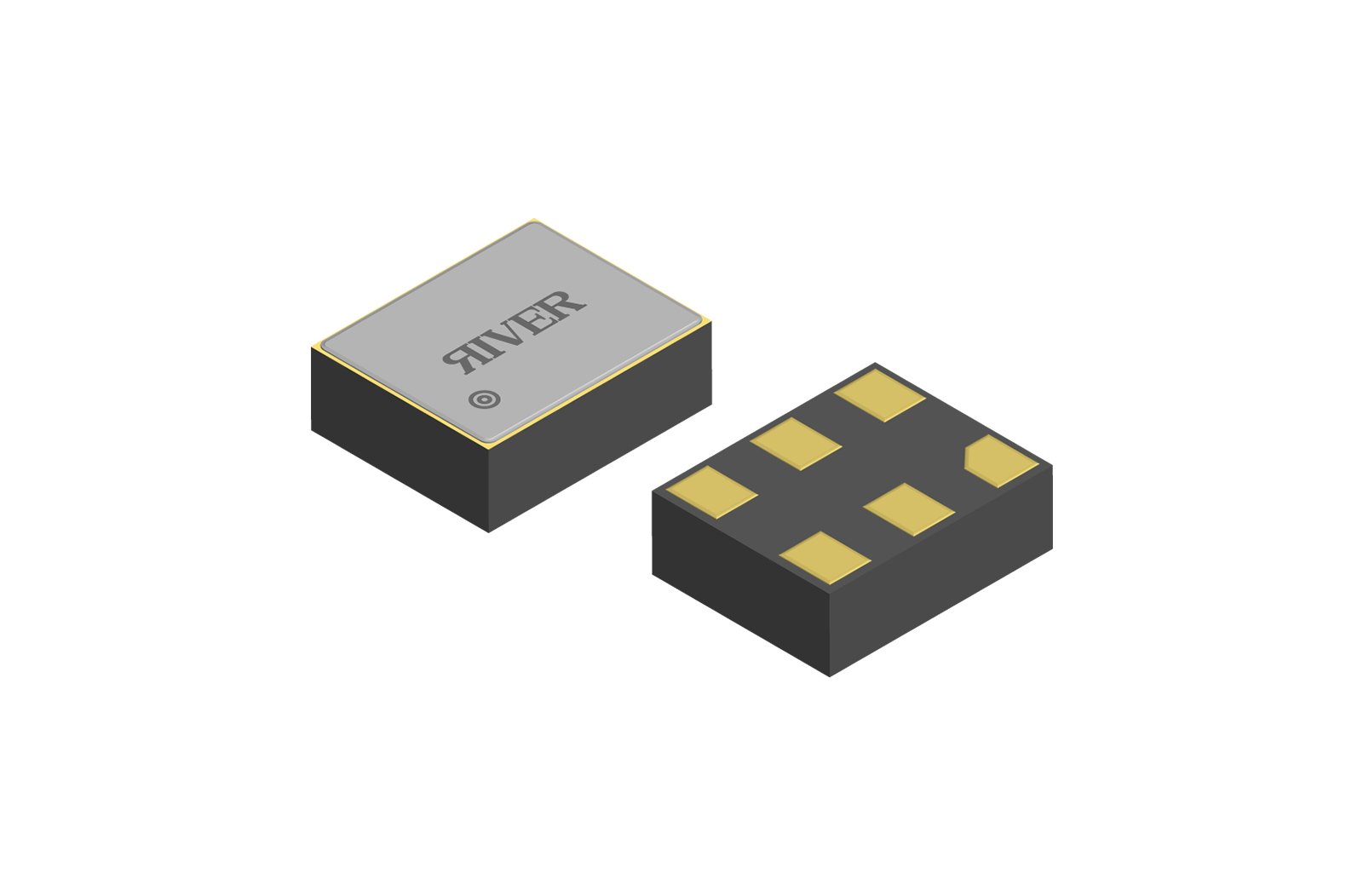

Achieves world-class ultra-low phase jitter of Typ. 12 fs (Max. 20 fs, 12 kHz–20 MHz, @625 MHz), significantly reducing bit error rates and enabling next-generation optical standards such as OSFP-XD (1.6T) and QSFP-DD800 (800G) to reach their full performance potential.

Adopting patented elastic wave device technology (US 11,258,424 / JP 7,249,055 and others) granted in major countries, the device directly generates a 625 MHz signal from the crystal’s native oscillation without using PLL (phase-locked loop) or frequency multiplier circuits, which are common noise sources. This architecture fundamentally suppresses noise generation and enables extremely high signal purity.

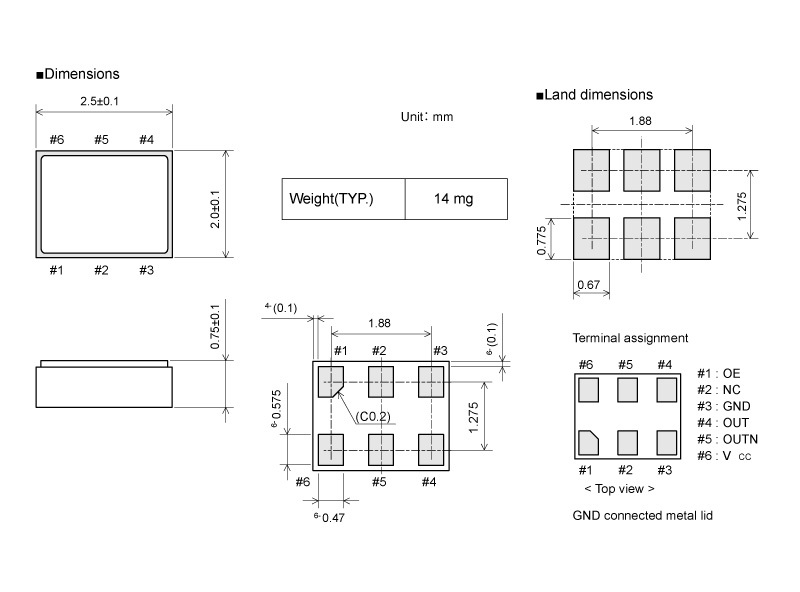
Based on the requirements of leading optical transceiver manufacturers, the device integrates a dedicated IC optimized for the key 625 MHz frequency used in next-generation optical communications, while reducing the mounting area by approximately 40% compared with the standard 3225 package—achieving a compact 2520 size (2.5 mm × 2.0 mm × 0.85 mm Max.) without compromising performance.
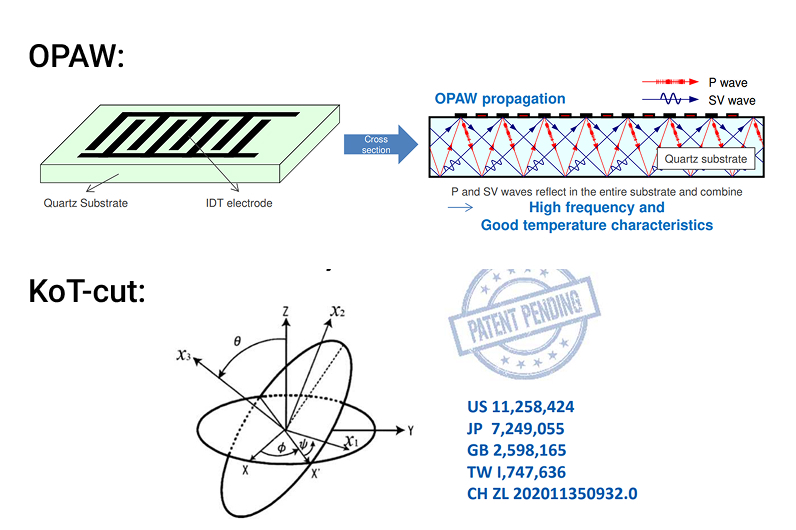
By combining River Eletec’s proprietary Orthogonal Plate Acoustic Wave (OPAW) technology with the patented KoT cut (Kerfed Orthogonal Plate Waves for Zero Temperature Coefficient), the device enables an innovative approach to frequency generation. The OPAW bulk acoustic wave mode allows ultra-high fundamental frequencies, while the KoT cut crystal design delivers exceptional temperature stability and ultra-low jitter performance.
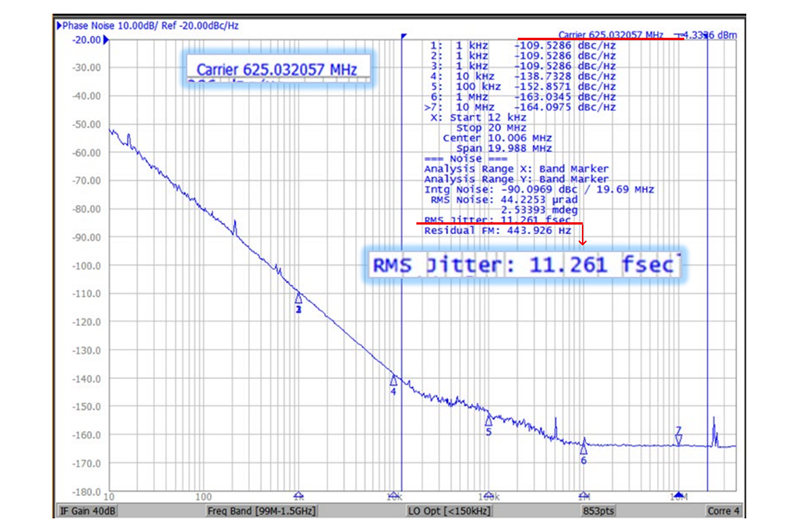
RIVER’s OPAW/KoT cut oscillators reduce jitter directly at the crystal source, eliminating the need for external PLLs and achieving world-class RMS jitter of typ. 10–15 fs, while supporting a wide frequency range from 312.5 MHz to 1 GHz (primarily 625 MHz) with LVPECL and LVDS outputs—delivering cleaner signals with lower bit error rates, simpler system design with fewer components, and improved reliability with lower power consumption.
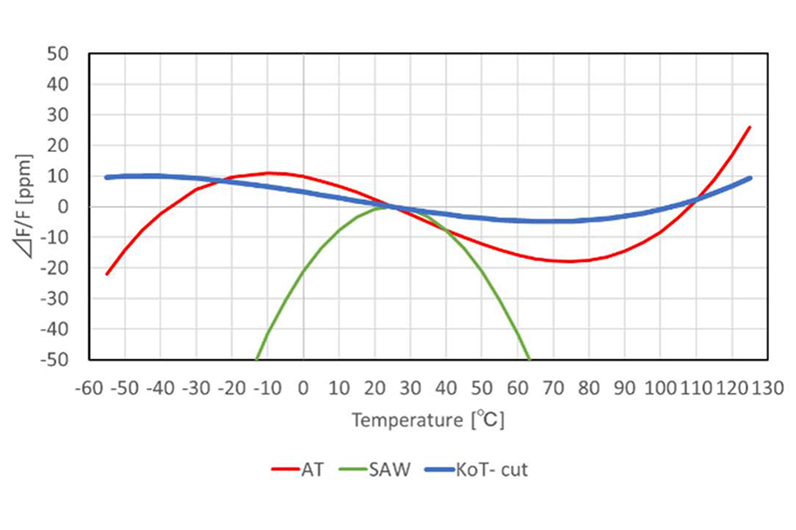
Maintaining accurate frequency across varying temperatures is essential for system reliability, particularly in demanding applications such as aerospace, outdoor infrastructure, and precision measurement equipment. River’s patented KoT cut technology provides exceptional frequency stability over a wide temperature range, significantly outperforming conventional crystal technologies such as AT-cut and SAW, and ensuring consistent and reliable performance even in harsh and fluctuating thermal environments.

Explore essential criteria for evaluating 1.6T optical clocks in our white paper, focusing on performance factors and real-system compatibility.
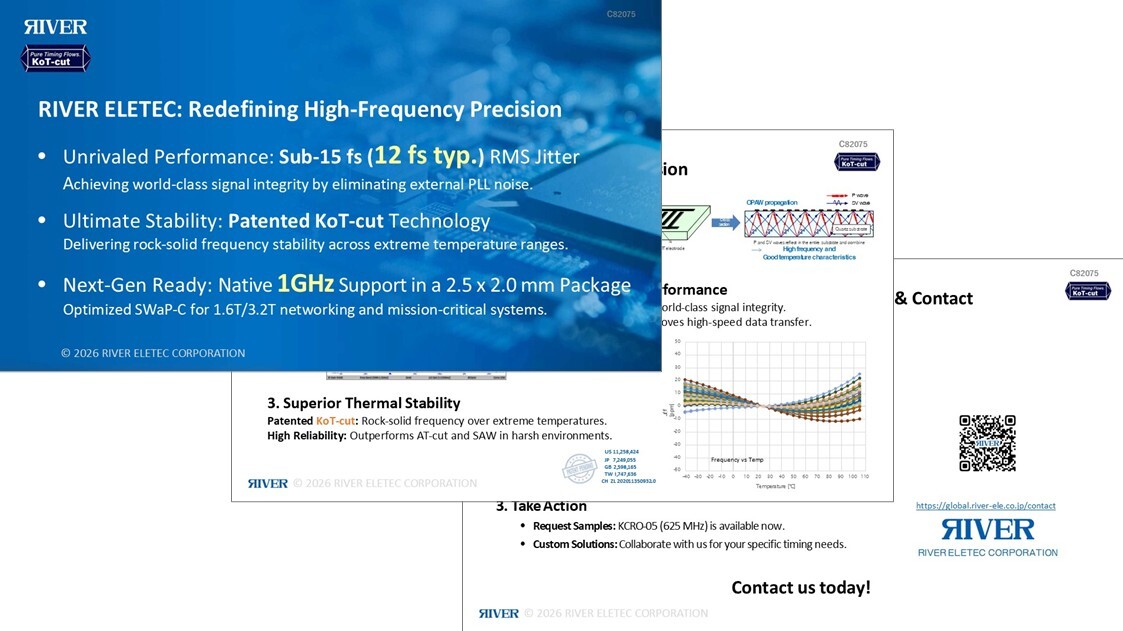
Download the OPAW® and KoT cut® Whitepaper 2026 to learn how River Eletec technologies support stable, high-quality clock performance.

Explore how PLL-free oscillators can reduce heat and improve efficiency in AI data centers facing growing power demands.

Discover how to achieve phase noise reduction in 1.6T optical communications. Learn why PLL-free 625MHz fundamental-mode oscillation minimizes phase jitter.